
36 products
36 products

RM 195.00
RM 195.00
RM 115.00
RM 115.00
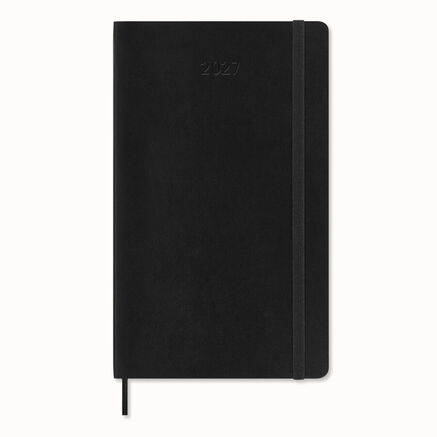
RM 155.00
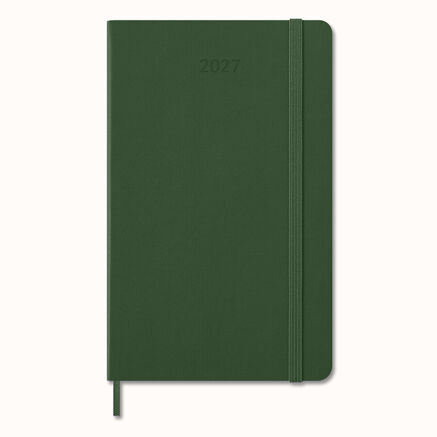
RM 150.00
RM 115.00
RM 155.00
RM 115.00
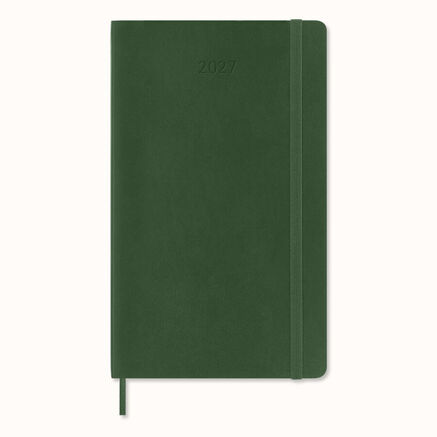
RM 155.00
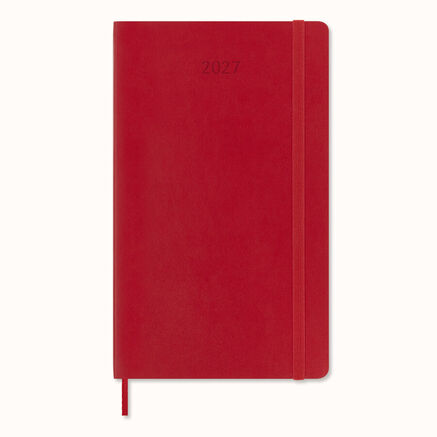
RM 155.00
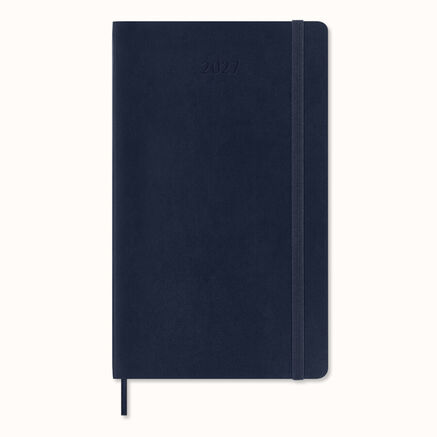
RM 155.00
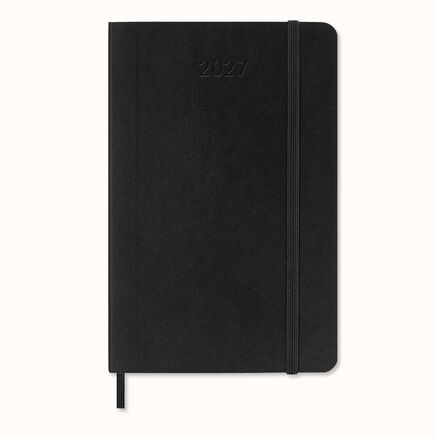
RM 115.00
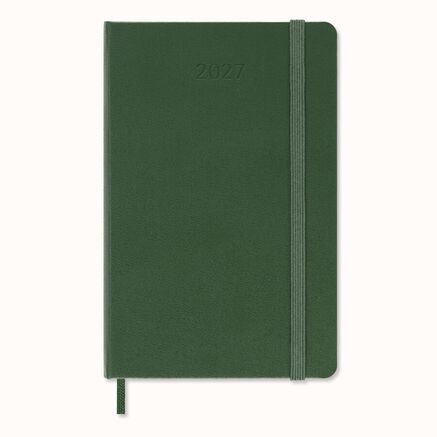
RM 115.00
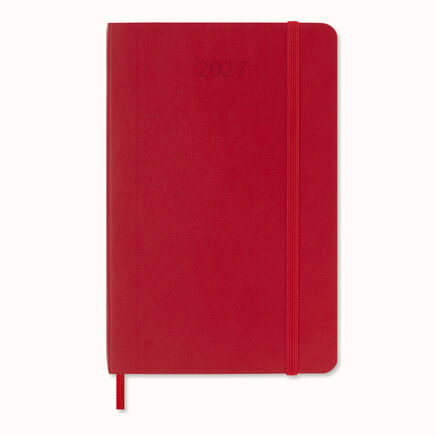
RM 115.00
RM 155.00
RM 155.00



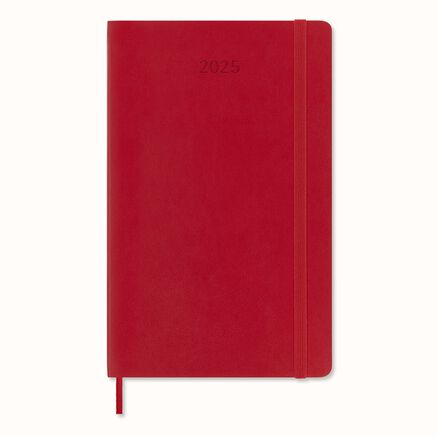
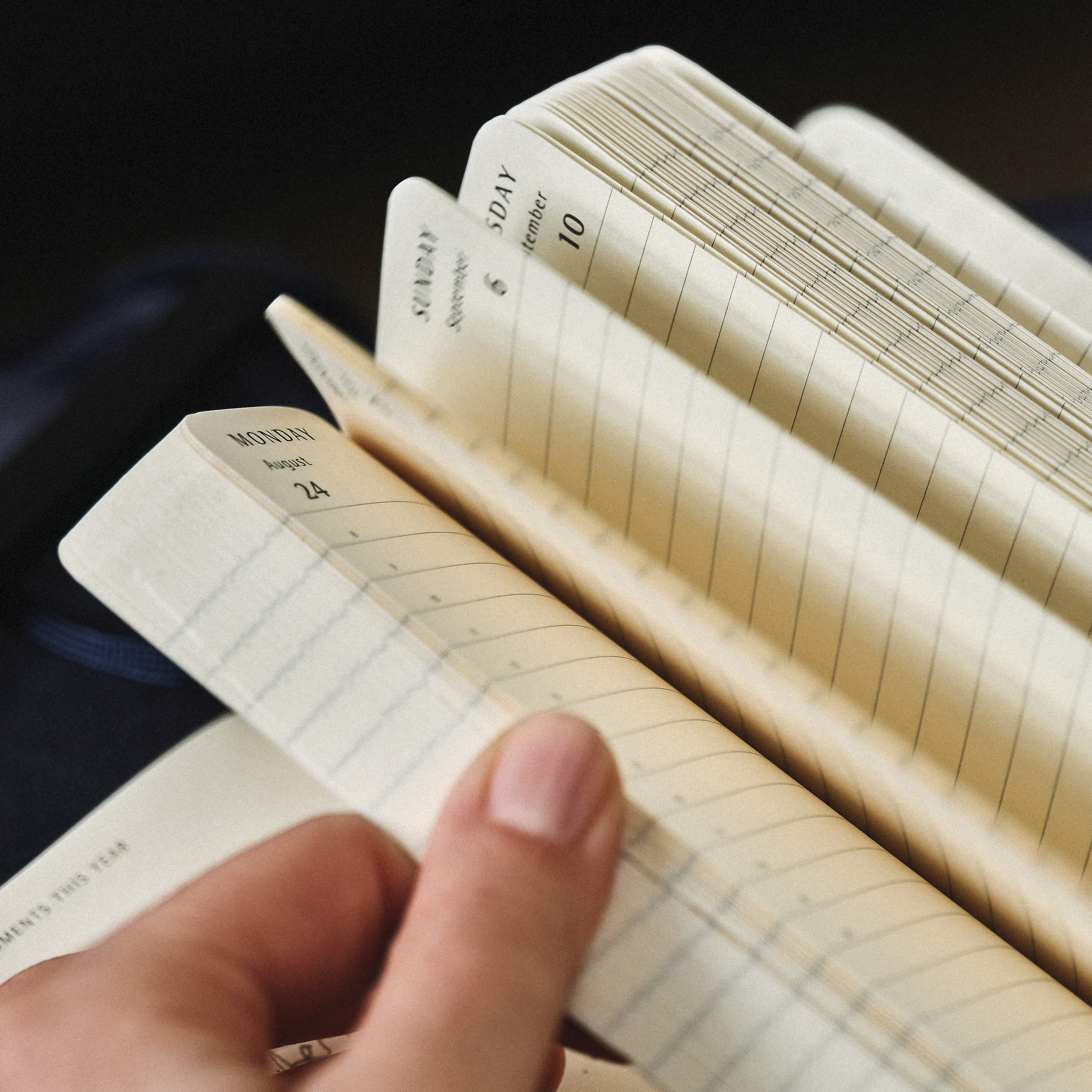


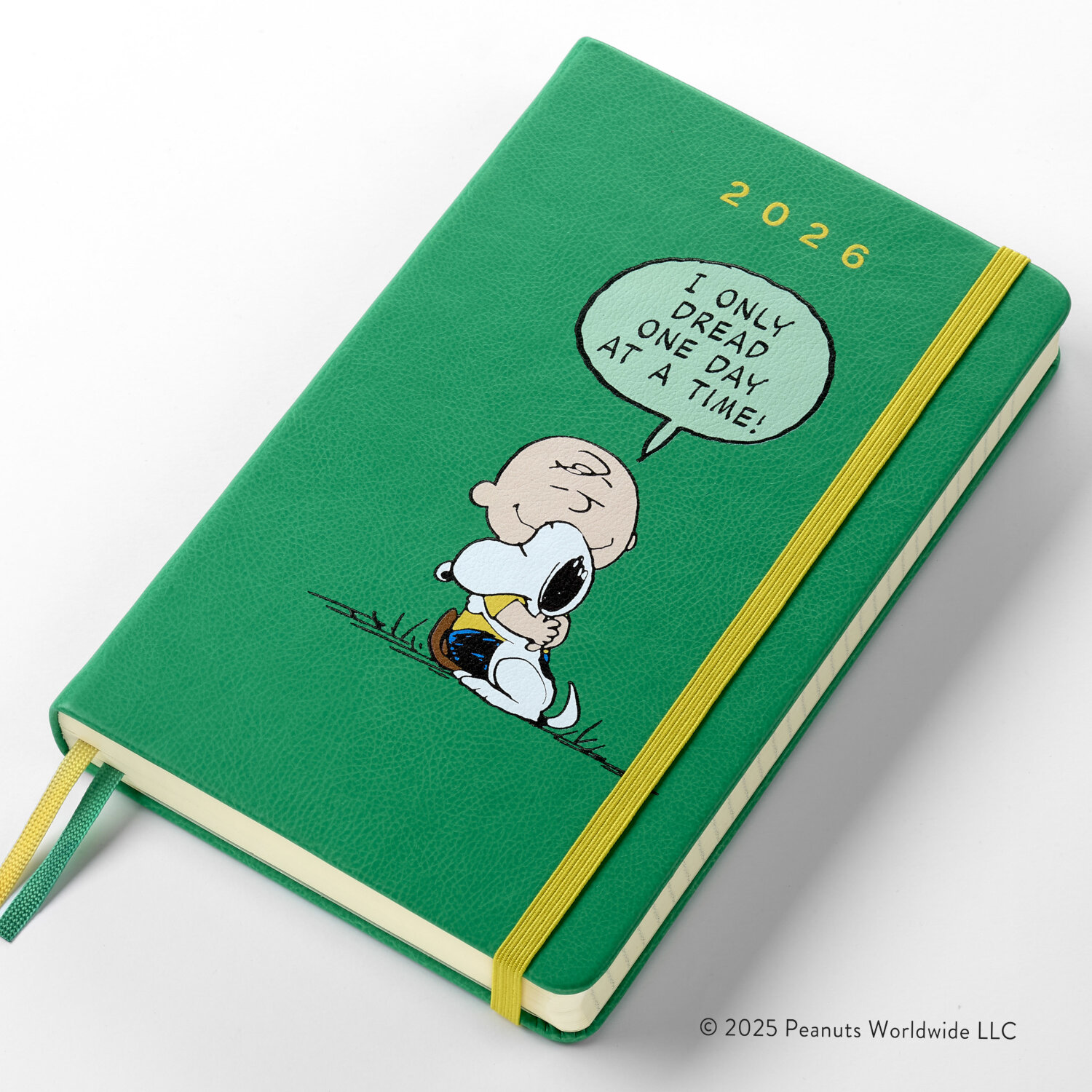
A Full Page for Every Day
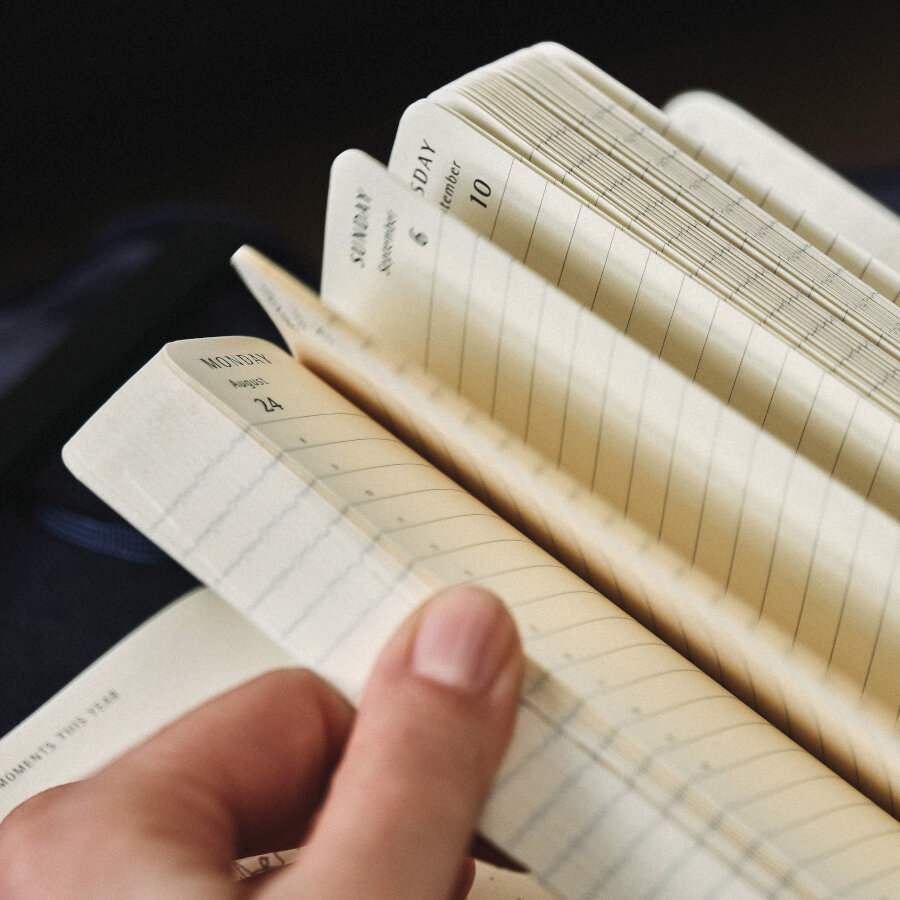
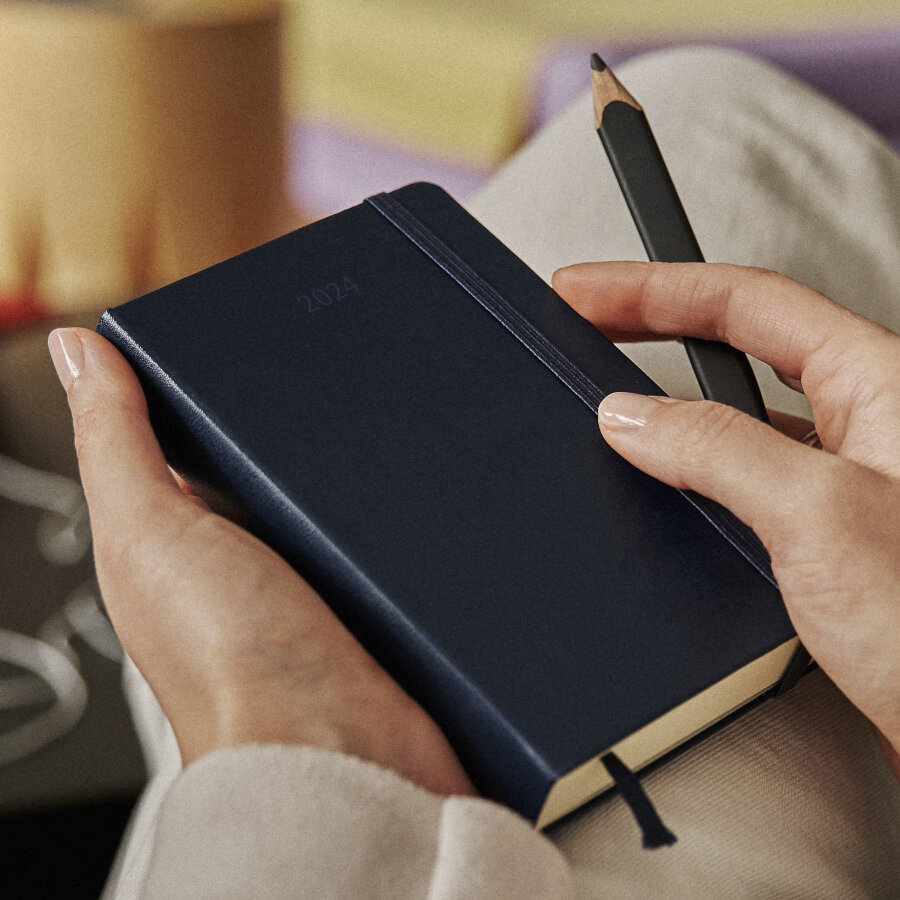
A daily planner gives each day of the week its own page, Monday to Sunday. That page holds the parts of a real day. Appointments and deadlines, to-do lists and daily goals, dinner plans and the small notes that gather in between. The space invites detail, and detail is where handwritten planning earns its keep.
With a full page to work in, there is room for the things a weekly spread cannot hold. Meal plans, daily budgets, habits in progress, hours set aside for focused work or for yourself. Ticking off a small task early, even one as ordinary as making coffee, gives the day its first win and the larger tasks a place to start. Many people keep a few lines of journal on the same page, so plans and reflections sit side by side.
A daily planner keeps all of this in your own hand, and by the end of the year its pages read as a record of days as they were actually lived. That kind of keeping is what the Moleskine name has always stood for.
Room for the Details
A daily planner invites a closer kind of writing. Ruled pages keep each day in order, and a full page holds more than appointments. Ideas noted as they occur, a few lines of journal, the small events of an ordinary afternoon. Some pages gather more than ink. A ticket stub or a postcard pasted beside an entry turns the day into something kept, and over twelve months those pages build into a record of the year in the writer's own hand. Long after the year has moved on, the details keep their place.
Pages Before the Days Begin
The record begins before the first dated page. A personal data page holds a name and the information worth keeping close. Then comes a view of the year, months laid out with each week numbered, followed by a monthly calendar for the events, deadlines and public holidays that shape the weeks ahead. A final calendar covers the year to come. Should a day's writing run past its page, a Moleskine notebook holds whatever the planner cannot. The planning starts here, in the writer's own hand, before a single day is filled.
Reference Pages for Planning and Travel
A daily planner spends the year in bags, on desks and abroad, so its opening pages gather the references that a working year calls for.
Holidays and Time Zones
A year of global holidays sits alongside two pages of international time zones, ready for planning a trip, timing a call or thinking of someone far away.
Measures, Conversions and Dialling Codes
International measures and conversions sit close by, followed by dialling codes for countries around the world. The list doubles as a quiet record, the countries already visited beside the ones still calling.
Goals for the Year
A page for the year's goals comes next, a place to set intentions early and return to them as the months pass. It belongs to the writer alone, for plans modest or grand.
Travel Plans and Extraordinary Moments
A travel page holds the places the year takes you, dates and side notes alongside. "My extraordinary moments this year" gathers the memories worth keeping as they happen, and a blank map waits to be marked with the places that mean the most.
A Printed Ruler
The last of the opening pages is a ruler in centimetres and inches. It is there for the pages that follow, for underlining a deadline, ruling a line through a finished task or keeping a list straight on the page.
Written for You Alone
Once the dated pages begin, a daily planner becomes somewhere to think as much as to plan. A few lines at the end of the day, what happened and how it felt, sit naturally beside the appointments and lists. Writing by hand gives thoughts a pace a screen rarely matches, and paper keeps them private in a way no login quite manages. As the months pass, the pages fill with the evidence of a year. Plans kept and plans changed, small tasks ticked off and larger ones finished. When the year closes, the planner stays on the shelf, a record in your own hand, ready whenever you want to look back.